Anthropic vs. the Pentagon: What the AI Safety Standoff Means for the Industry
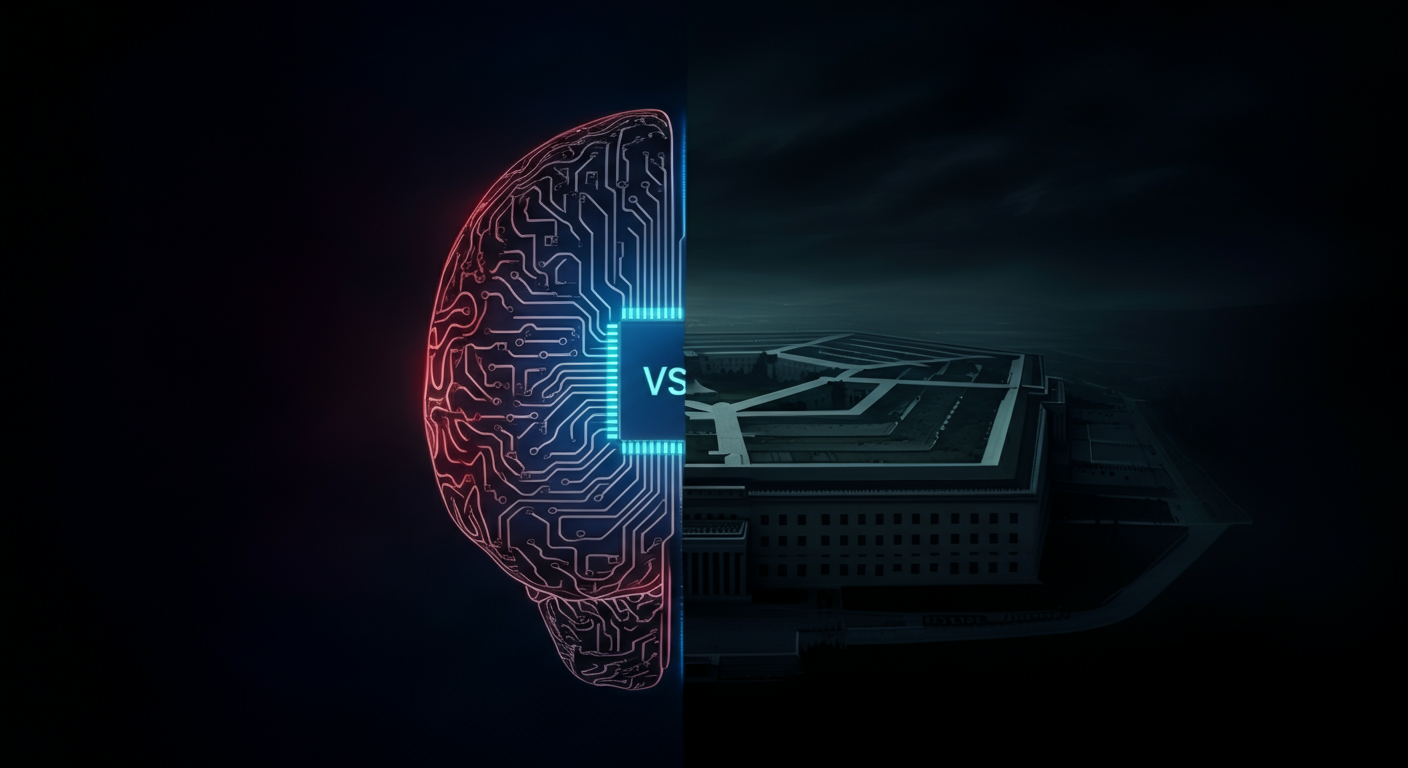
The biggest non-technical AI story of March 2026 isn't about a new model release — it's about where the lines are drawn on how AI can be used. Anthropic, the company behind Claude, has found itself at the center of a high-stakes standoff with the US Department of Defense, and the outcome could shape AI governance for years to come.
How It Started
The dispute began when Anthropic refused to grant the Pentagon unrestricted access to Claude for two specific use cases: mass domestic surveillance of Americans and fully autonomous weapons systems. Anthropic had been working with the DoD for months and was already deployed across classified networks, national laboratories, and national security agencies for intelligence analysis, operational planning, and cyber operations.
But when Defense Secretary Pete Hegseth demanded Anthropic remove those two safeguards, the company held firm. Hegseth then designated Anthropic a "supply chain risk" — an unprecedented move that could bar government contractors from using Claude in their applications.
The Lawsuit and the Stakes
Anthropic responded by filing lawsuits in California and Washington, DC. The company argued the designation was retaliatory and legally unfounded. The financial stakes are enormous: over $60 billion in investment from more than 200 venture capital firms is now potentially at risk, and the designation could force companies like NVIDIA — which does business with the US military — to sever commercial ties with Anthropic.
The Anthropic Institute, launched earlier this month under co-founder Jack Clark, is now directly engaged in the policy fight, with a new DC office and expanded public policy team led by Sarah Heck.
OpenAI's Contrasting Approach
While Anthropic held its line, OpenAI announced its own Pentagon deal — one that reportedly includes similar safety red lines around autonomous weapons and mass surveillance, though the details remain contested. The contrast between the two companies' approaches has sparked significant debate in the AI community about whether safety commitments can survive commercial and geopolitical pressure.
"It's extremely good that Anthropic has not backed down, and it's significant that OpenAI has taken a similar stance." — Ilya Sutskever, co-founder of Safe Superintelligence
What This Means for the AI Industry
The Anthropic-Pentagon standoff is a preview of the governance battles that will define AI's next decade. As AI systems become more capable and more deeply embedded in critical infrastructure, the question of who controls them — and under what conditions — becomes existential.
For businesses building on AI platforms, this episode is a reminder that the regulatory and geopolitical environment around AI is shifting fast. Vendor risk, compliance requirements, and ethical considerations are no longer abstract concerns — they're business continuity issues.
At Webdivs, we're watching these developments closely. The tools and platforms we recommend to clients need to be evaluated not just on capability and cost, but on the governance frameworks behind them.
Related Articles
OpenAI's GPT-5.4 Family: Smaller, Faster, and Closing the Gap with Frontier Models
OpenAI released GPT-5.4 mini and nano this week — smaller, faster models designed for high-volume workloads. Here's what changed, what it costs, and why it matters for developers building at scale.
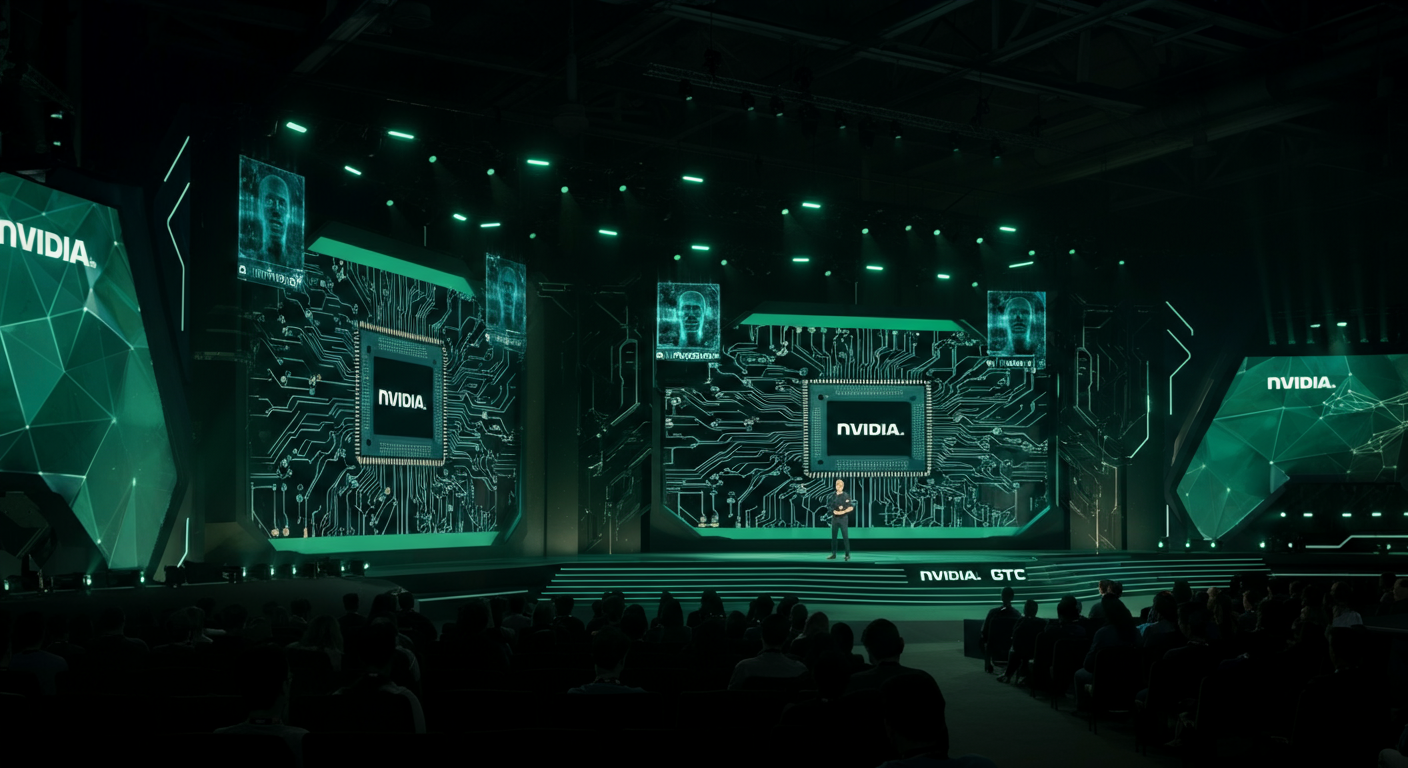
NVIDIA GTC 2026: Agentic AI, NemoClaw, and the Next Wave of Intelligent Systems
NVIDIA's GTC 2026 conference delivered a wave of announcements that signal a decisive shift toward agentic AI — systems that don't just answer questions, but plan, execute, and adapt. Here's what you need to know.
Want to Apply These Insights to Your Next Project?
Let's turn knowledge into results. Contact our experts to discuss your business goals.
Contact Our Team